NFPA 556: A Comprehensive Overview (Updated 05/05/2026)
Accessing the NFPA 556 PDF requires navigating the official NFPA website or authorized distributors; ensuring you obtain the current‚ updated version is crucial for compliance.
What is NFPA 556?
NFPA 556‚ officially titled “Standard for the Classification and Safe Handling of Flammable and Combustible Liquids‚” establishes comprehensive guidelines for managing fire hazards associated with these materials; While the standard doesn’t directly focus on the NFPA 556 PDF itself‚ understanding its core principles is vital. It’s a crucial document for laboratories‚ research facilities‚ and industrial settings where flammable and combustible liquids are routinely used‚ stored‚ or handled.
The standard details requirements for storage‚ handling‚ use‚ and disposal‚ aiming to minimize the risk of fire and explosion; Obtaining the official NFPA 556 PDF ensures access to the complete and most current regulations. It’s not simply a checklist‚ but a framework for developing robust safety programs tailored to specific operational needs. Compliance with NFPA 556 is often mandated by Authorities Having Jurisdiction (AHJs).
Scope and Purpose of the Standard
NFPA 556’s scope encompasses a wide range of facilities dealing with flammable and combustible liquids‚ extending beyond traditional laboratories to include production plants and storage facilities. The primary purpose‚ detailed within the NFPA 556 PDF‚ is to provide a standardized approach to hazard control‚ minimizing risks to life and property. It achieves this through detailed requirements for container design‚ storage arrangements‚ ventilation‚ and fire suppression systems.
The standard isn’t intended to replace good judgment or site-specific risk assessments. Instead‚ it provides a foundational set of rules that must be adapted to individual circumstances. Accessing the complete NFPA 556 PDF is essential for understanding the nuances of these requirements and ensuring comprehensive safety measures are implemented. It aims to create a consistently safe environment across diverse applications.
Key Changes in the Latest Edition (Focus on updates relevant as of 05/05/2026)
As of May 5th‚ 2026‚ the latest edition of NFPA 556‚ detailed in the updated NFPA 556 PDF‚ features significant revisions to ventilation requirements for facilities handling highly hazardous materials. These changes emphasize performance-based ventilation systems‚ moving away from prescriptive approaches. Enhanced guidance on risk assessment methodologies is also included‚ demanding more thorough hazard identification and mitigation strategies.
Furthermore‚ the standard now incorporates stricter regulations regarding the storage of flammable aerosols and clarifies requirements for emergency response planning. The NFPA 556 PDF now includes expanded sections on cybersecurity for laboratory control systems‚ recognizing the growing threat of digital interference. Obtaining this updated document is vital for maintaining compliance and ensuring the highest safety standards.
Understanding the Core Requirements
NFPA 556 PDF details essential lab safety elements: hazard classification‚ ventilation‚ fire protection‚ and meticulous adherence to established safety protocols.
Hazardous Materials Classification
The NFPA 556 PDF meticulously outlines a comprehensive system for classifying hazardous materials commonly found in laboratory settings. This classification‚ crucial for risk assessment and mitigation‚ extends beyond simple labeling. It demands a thorough understanding of chemical properties‚ reactivity‚ and potential health hazards.
The standard emphasizes aligning with globally harmonized systems (GHS) for consistent hazard communication. Proper categorization dictates appropriate storage‚ handling procedures‚ and emergency response protocols. Laboratories must accurately identify and categorize all chemicals‚ gases‚ and biological agents.
Furthermore‚ the document stresses the importance of Safety Data Sheets (SDS) as primary resources for detailed hazard information; Accurate classification‚ as detailed within the NFPA 556 PDF‚ is the foundational step towards a safe and compliant laboratory environment‚ minimizing risks to personnel and property.
Ventilation and Airflow Management
The NFPA 556 PDF dedicates significant attention to ventilation and airflow‚ recognizing their critical role in laboratory safety. It mandates engineered controls‚ primarily local exhaust ventilation (LEV)‚ to capture and remove hazardous airborne contaminants at their source. General dilution ventilation is considered supplementary‚ not a primary control method.
Specific airflow requirements are detailed based on the hazard level and type of operation. The standard emphasizes proper design‚ installation‚ and regular testing of ventilation systems to ensure effectiveness. Recirculation of exhaust air is strictly regulated‚ often prohibited‚ depending on the contaminants involved.
The NFPA 556 PDF also addresses airflow patterns within the lab‚ aiming to prevent cross-contamination and ensure worker protection. Maintaining negative pressure in certain areas‚ like chemical storage rooms‚ is often required. Proper ventilation is paramount for minimizing exposure risks and maintaining a safe working environment.
Fire Protection Systems for Laboratories
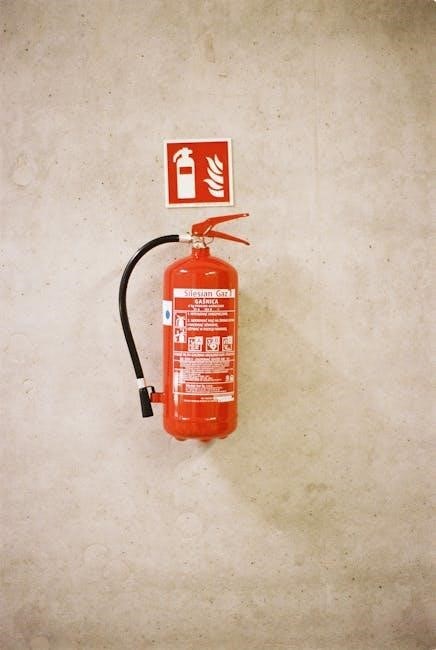
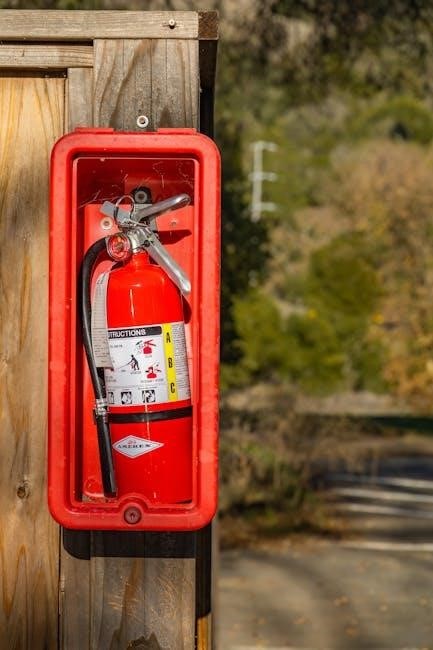
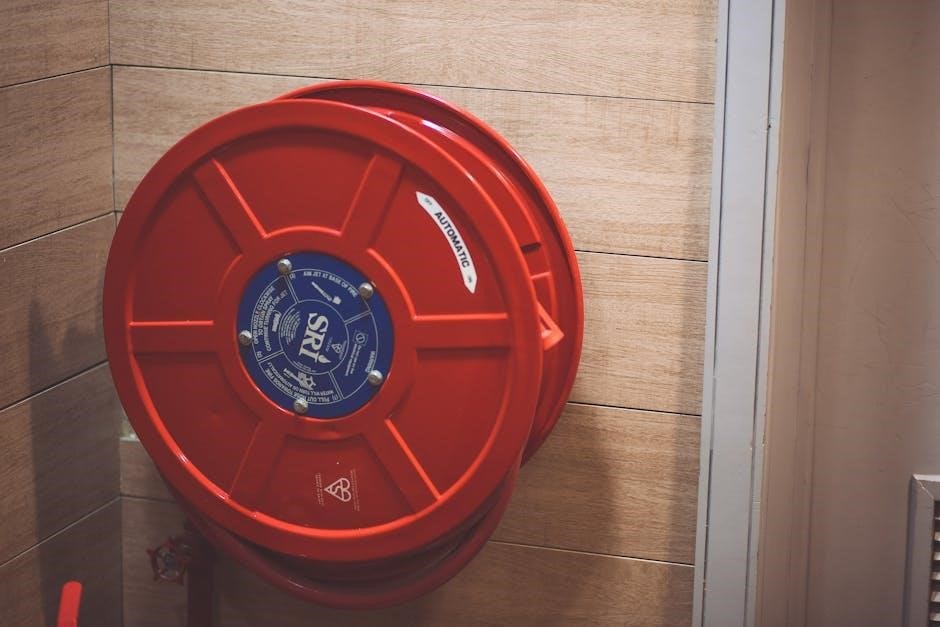
The NFPA 556 PDF outlines stringent requirements for fire protection systems tailored to the unique hazards present in laboratories. Automatic fire suppression systems‚ such as sprinkler systems or clean agent systems‚ are often mandatory‚ with the specific type dictated by the materials handled and potential fire scenarios.
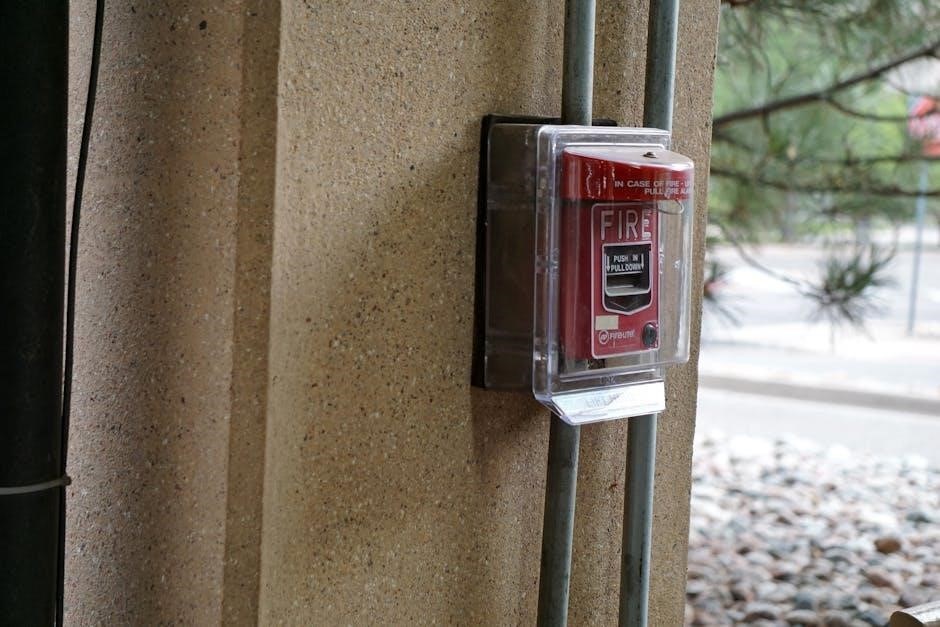
The standard details considerations for fire alarm systems‚ including detection methods appropriate for flammable vapors and rapid fire spread. Emergency lighting and evacuation plans are also addressed‚ emphasizing clear signage and designated assembly points.
Furthermore‚ the NFPA 556 PDF stresses the importance of compatibility between fire suppression agents and laboratory chemicals‚ preventing potentially dangerous reactions. Regular inspection‚ testing‚ and maintenance of all fire protection systems are crucial for ensuring their reliability and effectiveness in the event of a fire.

Specific Laboratory Considerations
NFPA 556 PDF details specialized safety protocols for labs‚ encompassing chemical storage‚ compressed gas handling‚ and electrical safety—vital for hazard mitigation.
Chemical Storage Guidelines
The NFPA 556 PDF provides extensive guidance on safe chemical storage within laboratory settings. It emphasizes segregation based on compatibility‚ preventing dangerous reactions from accidental mixing. Flammable and combustible liquids require storage in approved flammable liquid storage cabinets‚ clearly labeled and grounded to prevent static electricity buildup.
Corrosive materials must be stored separately‚ utilizing acid-resistant cabinets and shelving. Oxidizers should be isolated from flammable and combustible materials. The standard details specific quantity limits based on laboratory size and occupancy. Proper ventilation is crucial in storage areas to prevent the accumulation of hazardous vapors.
Regular inspections are mandated to identify leaking containers or deteriorating labels. Detailed inventory management‚ including Safety Data Sheets (SDS) readily accessible‚ is also a key component of compliant chemical storage as outlined in the document.
Compressed Gas Cylinder Handling
The NFPA 556 PDF dedicates significant attention to the safe handling of compressed gas cylinders in laboratories. Secure storage is paramount‚ requiring cylinders to be chained or otherwise restrained to prevent falling. Cylinders must be stored in a well-ventilated area‚ away from heat sources and ignition points.
Proper labeling is critical‚ with clear identification of the gas contained within each cylinder. The standard details procedures for transporting cylinders within the laboratory‚ emphasizing the use of cylinder carts. Valve protection caps must always be in place when cylinders are not in use or during transport;
Furthermore‚ the document outlines requirements for regulator compatibility and leak testing. Training for personnel handling compressed gases is essential‚ covering proper connection‚ disconnection‚ and emergency procedures‚ all detailed within the PDF.
Electrical Safety in Laboratory Environments
The NFPA 556 PDF comprehensively addresses electrical safety within labs‚ recognizing the heightened risks due to wet environments and sensitive equipment. Ground Fault Circuit Interrupters (GFCIs) are mandated for all receptacles in laboratory areas to minimize shock hazards. Regular inspection of electrical cords and equipment is crucial‚ with damaged items immediately removed from service.
The standard details requirements for electrical panel clearances and access‚ ensuring safe maintenance and emergency shut-off capabilities. Proper bonding and grounding of all metallic equipment are essential to prevent static electricity buildup and potential ignition of flammable materials.
Furthermore‚ the PDF emphasizes the importance of qualified personnel performing electrical work and adhering to National Electrical Code (NEC) guidelines. Lockout/Tagout procedures are detailed for maintenance and repair activities‚ ensuring a safe working environment.

NFPA 556 and Risk Assessment
The NFPA 556 PDF guides users through a systematic risk assessment process‚ identifying hazards and implementing controls to minimize laboratory incidents effectively.
Performing a Comprehensive Risk Assessment
Utilizing the NFPA 556 PDF as a foundational resource‚ a thorough risk assessment begins with hazard identification – meticulously cataloging all potential dangers within the laboratory environment. This includes chemical‚ biological‚ physical‚ and ergonomic hazards. Next‚ evaluate the likelihood and severity of each hazard‚ considering existing controls.
The standard emphasizes a systematic approach‚ often employing tools like hazard and operability (HAZOP) studies or failure mode and effects analysis (FMEA). Documenting findings is paramount; the NFPA 556 PDF stresses detailed records of identified hazards‚ risk levels‚ and implemented mitigation strategies. Regularly review and update the assessment‚ especially after incidents‚ process changes‚ or new equipment introductions. Prioritize risks based on their potential impact‚ focusing resources on the most critical areas. This proactive approach‚ guided by the standard‚ fosters a safer laboratory setting.
Developing Standard Operating Procedures (SOPs)
Referencing the NFPA 556 PDF is essential when crafting detailed Standard Operating Procedures (SOPs). These procedures must clearly outline safe work practices for every laboratory operation‚ minimizing risks identified during the comprehensive risk assessment. Each SOP should specify required personal protective equipment (PPE)‚ step-by-step instructions‚ emergency procedures‚ and waste disposal protocols.
The NFPA 556 PDF advocates for SOPs to be written in a concise‚ easily understandable manner‚ accessible to all personnel. Regular review and updates are crucial‚ reflecting changes in procedures‚ equipment‚ or regulations. Training on SOPs must be documented‚ ensuring all lab staff demonstrate competency. Effective SOPs‚ informed by the standard‚ are not merely documentation; they are the cornerstone of a safe and compliant laboratory environment‚ reducing incidents and promoting best practices.
Documentation and Record Keeping
The NFPA 556 PDF emphasizes meticulous documentation as a critical component of laboratory safety. Comprehensive records must be maintained‚ including risk assessments‚ SOPs‚ training records‚ inspection reports‚ and incident investigations. These records demonstrate due diligence and compliance with the standard’s requirements.
Detailed records of chemical inventories‚ including Safety Data Sheets (SDS)‚ are also vital‚ as highlighted within the NFPA 556 PDF. Maintenance logs for fire protection systems and ventilation equipment must be readily available. Proper record keeping facilitates effective incident analysis‚ identifies trends‚ and supports continuous improvement of safety protocols. Digital or physical formats are acceptable‚ but accessibility and security are paramount. Accurate and complete documentation is essential for audits and demonstrating a commitment to laboratory safety.
Compliance and Enforcement
The NFPA 556 PDF details how the Authority Having Jurisdiction (AHJ) enforces the standard through inspections and audits‚ addressing non-compliance issues.
Authority Having Jurisdiction (AHJ) Role
The NFPA 556 PDF clearly outlines the responsibilities of the Authority Having Jurisdiction (AHJ). This entity‚ typically a local fire marshal or building official‚ is tasked with ensuring laboratories adhere to the standard’s stringent safety requirements. Their role encompasses interpreting the standard‚ conducting regular inspections to verify compliance‚ and enforcing corrective actions when deficiencies are identified.
The AHJ’s authority extends to approving laboratory designs‚ reviewing Standard Operating Procedures (SOPs)‚ and ultimately‚ determining whether a laboratory environment is safe for its intended use. They serve as the primary point of contact for questions regarding NFPA 556 and possess the power to issue citations or even shut down operations that pose unacceptable risks. Understanding the AHJ’s perspective‚ as detailed within the NFPA 556 PDF‚ is paramount for laboratory managers and safety personnel.
Inspections and Audits
Regular inspections and audits‚ guided by the details within the NFPA 556 PDF‚ are critical for maintaining laboratory safety. These assessments verify adherence to the standard’s requirements‚ covering areas like chemical storage‚ ventilation systems‚ fire protection‚ and electrical safety. Inspections can be conducted by the Authority Having Jurisdiction (AHJ) or internal safety personnel.
Audits often involve a more comprehensive review of documentation‚ including risk assessments‚ SOPs‚ and training records. The NFPA 556 PDF emphasizes the importance of documented findings and corrective action plans. Successful inspections and audits demonstrate a commitment to safety‚ minimize risks‚ and ensure a compliant laboratory environment. Proactive self-audits‚ utilizing the standard as a checklist‚ can identify potential issues before they are flagged by external inspectors‚ fostering a culture of continuous improvement.
Common Non-Compliance Issues
Reviewing the NFPA 556 PDF reveals frequent areas of non-compliance often stem from inadequate risk assessments and subsequently‚ poorly developed Standard Operating Procedures (SOPs). Improper chemical storage‚ particularly incompatible substances stored together‚ is a recurring issue. Deficiencies in ventilation systems‚ failing to meet airflow requirements outlined in the standard‚ are also common.
Electrical hazards‚ such as overloaded circuits or lack of proper grounding‚ frequently appear during inspections. Insufficient fire protection measures‚ including blocked sprinkler heads or expired fire extinguishers‚ represent significant safety concerns. A lack of documented training for laboratory personnel regarding hazardous materials handling‚ emergency procedures‚ and the NFPA 556 requirements itself‚ consistently contributes to non-compliance findings.

Resources and Further Information
Obtaining the NFPA 556 PDF directly from NFPA’s official website guarantees access to the most current edition and crucial safety guidelines.
Where to Obtain the NFPA 556 PDF
Accessing the official NFPA 556 PDF is paramount for ensuring you have the most up-to-date and accurate information regarding laboratory safety standards. The primary source is the National Fire Protection Association (NFPA) website‚ where you can purchase the document directly. Be cautious of unofficial sources‚ as they may contain outdated or inaccurate content.
Alternatively‚ authorized distributors like Documént Center or other technical document providers also offer the NFPA 556 PDF for purchase. Always verify the distributor’s legitimacy before making a transaction. Subscription services offering access to a library of NFPA standards are another option‚ potentially providing cost savings if you require multiple NFPA documents. Remember to confirm the PDF includes the latest updates as of May 5th‚ 2026‚ to maintain full compliance.
NFPA Training and Certification
Complementing your access to the NFPA 556 PDF with formal training and certification significantly enhances understanding and practical application of the standard. NFPA offers a range of courses‚ both online and in-person‚ designed to educate professionals on laboratory safety best practices. These programs cover hazard identification‚ risk assessment‚ and proper implementation of NFPA 556 requirements.
While specific certifications directly tied to NFPA 556 may be limited‚ related certifications in fire safety‚ hazardous materials handling‚ and laboratory safety demonstrate a commitment to compliance. Consider exploring courses offered by accredited institutions and industry associations. Thorough training ensures personnel can effectively interpret the NFPA 556 PDF‚ conduct accurate risk assessments‚ and maintain a safe laboratory environment‚ ultimately minimizing potential hazards and ensuring regulatory adherence.
Relevant Industry Associations and Websites
Beyond obtaining the NFPA 556 PDF‚ staying informed through industry resources is vital. The American Chemical Society (ACS) provides extensive safety guidelines and resources for laboratories‚ complementing NFPA standards. Similarly‚ the National Safety Council (NSC) offers valuable information on workplace safety‚ including chemical handling and hazard communication.
Websites like Lab Manager and ILSI Risk Science Institute offer articles‚ webinars‚ and best practices related to laboratory safety and compliance. Regularly consulting these resources‚ alongside the NFPA 556 PDF‚ ensures you remain current with evolving regulations and emerging safety concerns. These associations often host workshops and conferences‚ providing opportunities for networking and professional development‚ ultimately fostering a culture of safety within your organization.