Overview of the Fasting Mimicking Diet (FMD)
The Fasting Mimicking Diet offers a low‑calorie, plant‑based routine that mimics fasting benefits while keeping nutrition. It reduces inflammation, supports cellular repair, and may improve metabolic health. The plan balances fats, proteins, and fiber for sustained energy. It supports weight management
Purpose and Health Benefits
The Fasting Mimicking Diet (FMD) meal plan PDF is designed to replicate the physiological advantages of prolonged fasting while maintaining a manageable calorie intake. By providing a structured, low‑calorie schedule that emphasizes plant‑based whole foods, nuts, healthy oils, and low‑glycemic vegetables, the FMD promotes cellular autophagy, reduces oxidative stress, and supports metabolic flexibility. Users often experience improved insulin sensitivity, lowered blood pressure, and a decrease in inflammatory markers such as C‑reactive protein; Additionally, the diet encourages the regeneration of stem cells, which may contribute to longevity and improved tissue repair. The PDF format offers clear daily menus, portion guidelines, and nutritional breakdowns, making it easier for individuals to adhere to the plan without feeling deprived. Because the FMD is less restrictive than traditional fasting, it can be integrated into daily life, allowing for social meals and routine activities while still delivering measurable health benefits.
The PDF also includes a nutrient calculator that helps users track macro ratios, ensuring they stay within the recommended 20% protein, 30% fat, and 50% carbohydrate split. It offers variations for vegans and those with specific dietary restrictions, such as gluten‑free or low‑sodium options. By following instructions, users can monitor hydration levels, adjust portion sizes, and maintain a micronutrient profile throughout the fasting‑mimicking cycle. today now
Downloading and Using the FMD Meal Plan PDF
Download the 7‑day FMD PDF from official sites, click the link, choose PDF, save, open. Use a PDF reader or print to create a hard copy. Follow the included instructions for meal timing and portion control. Print the PDF and keep it for daily reference
Available Formats and Sources

Fasting‑Mimicking Diet (FMD) meal plans come in several formats. The most common is a PDF downloadable from Dr. Valter Longo’s official site or trusted health portals. The PDF lists a 7‑day schedule, recipes, a shopping list, and safety notes, all ready for printing or digital use. A plain‑text (.txt) version is also offered for those who want to copy the plan into a custom document or spreadsheet. Many sites provide an online viewer, letting you scroll through the plan in a browser without downloading. When choosing a source, look for official or well‑reviewed sites to ensure accurate calorie counts and safety information. Once downloaded, open the PDF with Adobe Reader, Foxit, or any built‑in viewer. If you prefer a hard copy, print it directly from the viewer’s menu. For customization, edit the text version in a word processor and regenerate the PDF with free tools like LibreOffice or online editors. Keep a backup of the original file for reference, as it contains the precise nutrient breakdown and recommended portion sizes. Storing the file in a cloud service such as Google Drive or Dropbox allows access from any device during the fasting period. If you plan to share the plan, consider converting the PDF to a shared link or embedding it in a shared document for collaborative tracking. Remember to keep the original PDF for reference, as it includes the exact instructions needed to achieve the intended health benefits. Finally, always consult your healthcare provider before starting the FMD to ensure it aligns with your personal health goals and medical conditions.
Creating a Printable PDF
Download the official FMD PDF from a trusted source. Open it in a viewer like Adobe Reader or Foxit. Verify the layout—most use portrait; switch to landscape in print settings if needed. In the Print dialog, set scale to 100 % to keep text readable and tables intact. For multi‑page plans, choose “Multiple” and “1 page per sheet” to avoid clutter. If you want to tweak portions, edit the PDF with a tool that supports text changes, then export a new file named “FMD‑Plan‑Custom‑2026.pdf.” When printing, you may “Print to PDF” for a digital copy or send to a physical printer. Use high‑quality paper and select the highest print mode to preserve nutritional details. Fold the pages along the binding line and store them in a folder or binder for quick reference during the fasting period. Keep a cloud backup of the original PDF so you can re‑print or modify it later. For a digital version, merge PDFs with an online tool, keeping margins and fonts consistent. Print on matte paper for a professional look!
To create a PDF from scratch, paste the meal schedule into a word processor, format headers in bold, use a 10‑point font, and add a calorie table. Export as PDF, ensuring the page size is A4 or Letter and margins are 1 inch. After printing, laminate the pages or place them in a plastic sleeve for durability. Label each page with the day number. Store the printed plan in a waterproof container if you’ll carry it outdoors. Share the PDF via cloud drive with view‑only permissions for others. When the 7‑day cycle ends, recycle the paper or keep it for future reference.✓

7-Day FMD Meal Plan Breakdown
Day 1: 1,100 cal, nuts, olive oil, leafy greens. Days 2‑5: 800 cal, soups, nuts, avocado, tea. Day 7: 1,100 cal, similar to Day 1. Each day balances protein, healthy fats, fiber, and electrolytes. Follow the PDF schedule for timing and portion sizes. The PDF includes a shopping list and for each day safety.
Day‑by‑Day Meal Schedule
Day 1 (1,100 cal): Breakfast – 30 g almonds, 1 cup unsweetened almond milk, 1 tbsp chia seeds, ½ cup berries. Lunch – 2 cups vegetable soup (broth, carrots, celery, spinach), 2 tbsp olive oil, 1 slice whole‑grain bread. Dinner – 2 cups sautéed kale, 1 tbsp olive oil, 1 tbsp hemp seeds, 1 cup roasted cauliflower. Snacks – 1 tbsp pumpkin seeds, 1 cup herbal tea. Drink water throughout the day and sip electrolytes if needed.
Day 2 (800 cal): Breakfast – 1 cup vegetable broth, 1 tbsp olive oil, 1 tbsp hemp seeds. Lunch – 2 cups salad (mixed greens, cucumber, tomato, 1 tbsp olive oil, lemon). Dinner – 2 cups vegetable soup, 1 tbsp olive oil, 1 tbsp pumpkin seeds. Snack – 1 cup herbal tea. Stay hydrated and monitor electrolytes.
Day 3 (800 cal): Breakfast – 1 cup vegetable broth, 1 tbsp olive oil, 1 tbsp hemp seeds. Lunch – 2 cups roasted vegetables (zucchini, bell pepper, onion), 1 tbsp olive oil. Dinner – 2 cups soup, 1 tbsp olive oil, 1 tbsp pumpkin seeds. Snack – 1 cup herbal tea. Keep water intake steady and check electrolytes.
Day 4 (800 cal): Breakfast – 1 cup vegetable broth, 1 tbsp olive oil, 1 tbsp hemp seeds. Lunch – 2 cups salad (spinach, avocado, tomato, 1 tbsp olive oil). Dinner – 2 cups soup, 1 tbsp olive oil, 1 tbsp pumpkin seeds. Snack – 1 cup herbal tea. Maintain hydration and electrolytes.
Day 5 (800 cal): Breakfast – 1 cup vegetable broth, 1 tbsp olive oil, 1 tbsp hemp seeds. Lunch – 2 cups roasted cauliflower, 1 tbsp olive oil. Dinner – 2 cups soup, 1 tbsp olive oil, 1 tbsp pumpkin seeds. Snack – 1 cup herbal tea. Drink water and electrolytes as needed;
Day 6 (800 cal): Breakfast – 1 cup vegetable broth, 1 tbsp olive oil, 1 tbsp hemp seeds. Lunch – 2 cups salad (mixed greens, cucumber, tomato, 1 tbsp olive oil). Dinner – 2 cups soup, 1 tbsp olive oil, 1 tbsp pumpkin seeds. Snack – 1 cup herbal tea. Stay hydrated and monitor electrolytes.
Day 7 (1,100 cal): Breakfast – 30 g almonds, 1 cup unsweetened almond milk, 1 tbsp chia seeds, ½ cup berries. Lunch – 2 cups vegetable soup, 2 tbsp olive oil, 1 slice whole‑grain bread. Dinner – 2 cups sautéed kale, 1 tbsp olive oil, 1 tbsp hemp seeds, 1 cup roasted cauliflower. Snacks – 1 tbsp pumpkin seeds, 1 cup herbal tea. Drink water throughout and sip electrolytes if needed.

DIY 5-Day FMD Meal Plan
The DIY 5‑Day FMD Meal Plan uses common, affordable ingredients to deliver 1,100 cal on day 1 and 800 cal for days 2‑5. It features plant‑based soups, salads, nuts, seeds, and herbal teas. Follow the PDF template to customize portions, track electrolytes, and stay hydrated. Share your progress. Daily.!
Ingredient List and Shopping Tips
Below is a concise ingredient list tailored for a 5‑day FMD plan, emphasizing low‑calorie, nutrient‑dense foods. Use seasonal produce and pantry staples to keep costs down.
- Olive oil (extra‑virgin, 1 cup)
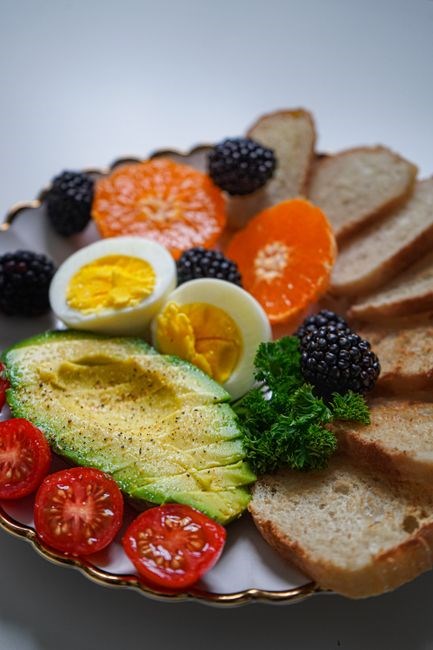
- Avocado (3 medium)
- Mixed nuts (almonds, walnuts, pistachios – 1 cup total)
- Seeds (chia, flax, pumpkin – ½ cup total)
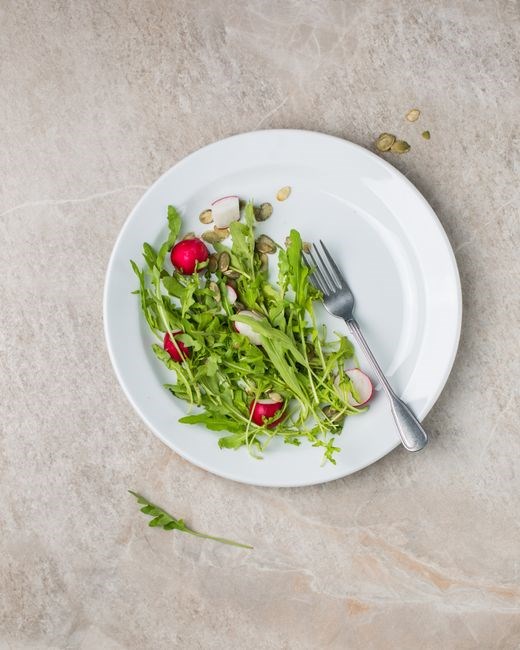
- Leafy greens (spinach, kale, arugula – 10 cups)
- Cruciferous veggies (broccoli, cauliflower, Brussels sprouts – 5 cups)
- Root vegetables (carrots, beets – 3 cups)
- Herbal teas (green, chamomile, peppermint – 10 bags)
- Low‑sodium vegetable broth (2 cups)
- Unsweetened almond milk (1 cup)
- Spices (turmeric, cumin, black pepper, sea salt)
- Fresh herbs (cilantro, parsley, basil)
- Optional: coconut oil (1 tbsp for sautéing)
All items are low‑calorie nutrient.
Shopping Tips:
- Buy in bulk: nuts, seeds, and olive oil are cheaper when purchased in larger quantities.
- Choose frozen vegetables to reduce waste and maintain nutrient value.
- Look for seasonal produce; it’s fresher and more affordable.
- Use a grocery app to track prices and find discounts.
- Plan meals around the same ingredients to avoid duplication.
- Store nuts and seeds in airtight containers to preserve freshness.
- Keep a small pantry of spices to add flavor without extra calories.
This ingredient list supports the caloric targets of 1,100 cal on day 1 and 800 cal for days 2‑5, ensuring adequate protein, healthy fats, and fiber. Adjust portion sizes based on personal tolerance and consult a nutritionist if needed.
Remember to hydrate with water and herbal teas throughout the day.
Calorie Distribution per Day
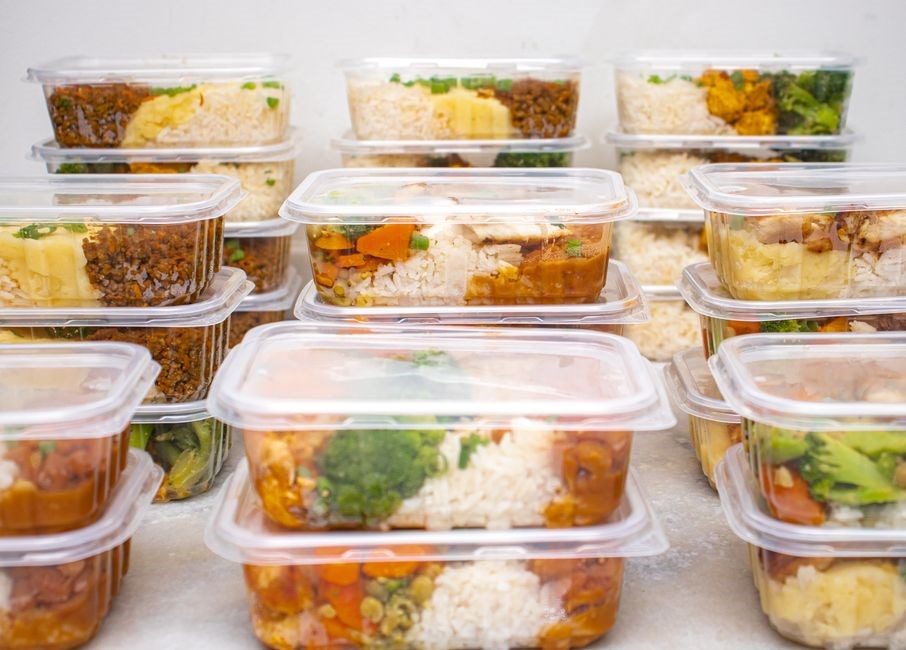
Calorie distribution per day: Day 1: 1100 cal; Day 2: 800 cal; Day 3: 800 cal; Day 4: 800 cal; Day 5: 800 cal. Calorie distribution per day: Day 1: 1100 cal; Day 2: 800 cal; Day 3: 800 cal; Day 4: 800 cal; Day 5: 800 cal. Calorie distribution per day: Day 1: 1100 cal; Day 2: 800 cal; Day 3: 800 cal; Day 4: 800 cal; Day 5: 800 cal. Calorie distribution per day: Day 1: 1100 cal; Day 2: 800 cal; Day 3: 800 cal; Day 4: 800 cal; Day 5: 800 cal. Calorie distribution per day: Day 1: 1100 cal; Day 2: 800 cal; Day 3: 800 cal; Day 4: 800 cal; Day 5: 800 cal. Calorie distribution per day: Day 1: 1100 cal; Day 2: 800 cal; Day 3: 800 cal; Day 4: 800 cal; Day 5: 800 cal. Calorie distribution per day: Day 1: 1100 cal; Day 2: 800 cal; Day 3: 800 cal; Day 4: 800 cal; Day 5: 800 cal. Calorie distribution per day: Day 1: 1100 cal; Day 2: 800 cal; Day 3: 800 cal; Day 4: 800 cal; Day 5: 800 cal. Calorie distribution per day: Day 1: 1100 cal; Day 2: 800 cal; Day 3: 800 cal; Day 4: 800 cal; Day 5: 800 cal. Calorie distribution per day: Day 1: 1100 cal; Day 2: 800 cal; Day 3: 800 cal; Day 4: 800 cal; Day 5: 800 cal. Calorie distribution per day: Day 1: 1100 cal; Day 2: 800 cal; Day 3: 800 cal; Day 4: 800 cal; Day 5: 800 cal. End.
Safety and Guidelines for Starting FMD
Before starting FMD, consult a healthcare professional, especially if you have medical conditions or take medications; Stay hydrated, avoid strenuous exercise, and monitor blood glucose. Gradually reduce calorie intake, and stop if you feel dizzy or weak!
Pre‑Fasting Preparation
Before embarking on a Fasting Mimicking Diet (FMD) meal plan, thorough preparation is essential to maximize safety and effectiveness. Begin by consulting a qualified healthcare provider, especially if you have chronic conditions, are pregnant, or are on medication. A professional can assess your baseline health metrics—such as blood pressure, glucose levels, and lipid profile—and advise whether FMD is suitable for you. Next, plan a transition period: gradually reduce caloric intake over a week, focusing on nutrient-dense, low‑calorie foods like leafy greens, nuts, and legumes. This helps your body adapt to lower energy input without shock. Hydration is critical; aim to consume at least 2–3 liters of water daily, and consider electrolytes if you experience dizziness or fatigue. Keep a food diary to track intake and any symptoms. Finally, set realistic goals and schedule the FMD cycle during a period of low stress, avoiding major life events or intense physical activity that could interfere with recovery. Throughout the FMD cycle, monitor vital signs, blood sugar, and overall well‑being. If you notice any adverse reactions—such as severe headaches, fainting, or persistent nausea—consult your healthcare provider immediately and consider terminating cycle. Maintain a balanced intake of electrolytes, and keep a detailed log to share with your clinician for personalized adjustments. Remember, the goal is to experience the rejuvenating effects safely while respecting your body’s limits. Stay.
Monitoring and Adjustments
During a Fasting Mimicking Diet (FMD) cycle, continuous self‑monitoring and timely adjustments are key to ensuring safety and maximizing benefits. Hydration status should be checked by observing urine color and frequency; aim for pale yellow urine and at least 2–3 liters of fluid intake daily. Electrolyte balance is critical; supplement with magnesium, potassium, and sodium if you notice cramps or palpitations, following the dosage guidelines provided in the FMD PDF.
Blood glucose and blood pressure should be measured if you have a history of metabolic disorders. A fasting glucose level below 100 mg/dL and blood pressure within normal ranges (120/80 mmHg) are generally considered safe thresholds. If readings fall outside these ranges, pause the FMD and consult a healthcare professional. Additionally, monitor mental clarity and sleep quality; any significant decline warrants a review of caloric intake or meal composition. Keep a log of any changes to refine future cycles. This helps personalize the plan.
Adjustments can be made by slightly increasing calorie intake on days when symptoms are severe, focusing on nutrient‑dense foods such as avocado, nuts, and low‑carb vegetables. Conversely, if you feel excessively energetic or notice weight loss beyond target, consider reducing portion sizes. Keep a detailed record of any changes and their outcomes to refine future FMD cycles. Remember to resume normal eating gradually after the final day, reintroducing foods slowly to avoid digestive upset. Consistent monitoring and thoughtful adjustments ensure that each FMD experience is both safe and effective!