Michigan Deer Hunting Guide ‒ 2025/2026
Michigan’s 2025/2026 deer hunting guide details season dates, regulations, and licensing, reflecting recent changes like extended antlerless seasons and APR adjustments for optimal harvests.
Michigan offers a rich deer hunting tradition, attracting both residents and non-residents annually. The state’s diverse landscapes, from dense forests to open agricultural lands, support a substantial white-tailed deer population. Hunting is a vital component of deer management, helping to maintain healthy herds and ecological balance.
Recent data indicates over 136,524 deer were harvested in 2024, showcasing the popularity and effectiveness of Michigan’s hunting programs. Understanding regulations, DMUs, and ethical hunting practices is crucial for a successful and safe experience. This guide provides essential information for navigating the 2025/2026 seasons.
Understanding Michigan Deer Management Units (DMUs)
Michigan divides the state into Deer Management Units (DMUs) to tailor hunting regulations to local deer populations and habitat conditions. Each DMU has specific rules regarding season dates, antler point restrictions (APRs), and allowable harvest quotas. DMU 122, for example, implemented a 3-point APR on single deer licenses in 2024.
Hunters must consult the official Michigan DNR hunting guide to determine the regulations for their chosen DMU. Understanding these boundaries and rules is critical for legal and ethical hunting, ensuring sustainable deer management across the state’s diverse ecosystems.
2025-2026 Hunting Season Dates
The 2025-2026 Michigan deer hunting seasons are structured to provide diverse opportunities for hunters. Muzzleloading season is scheduled for December 5-14, 2025. The late antlerless firearm season runs from December 15, 2025, to January 1, 2026, on both private and public lands within the Lower Peninsula.
Importantly, all Upper Peninsula DMUs remain closed for both the early and late antlerless seasons. Hunters should verify specific dates for their DMU, as regulations can vary, ensuring a well-planned and legal hunting experience.
Archery Deer Hunting Season
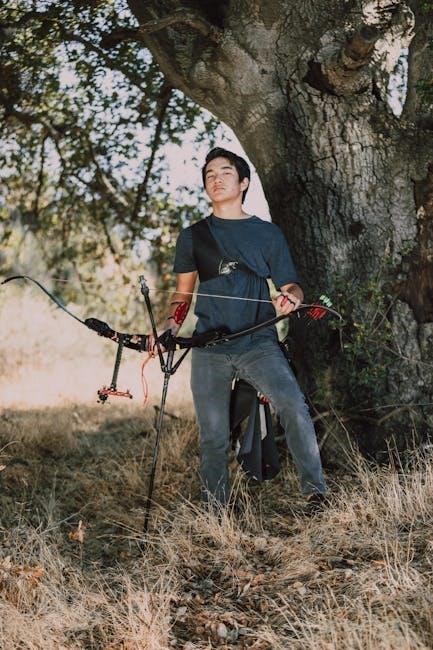
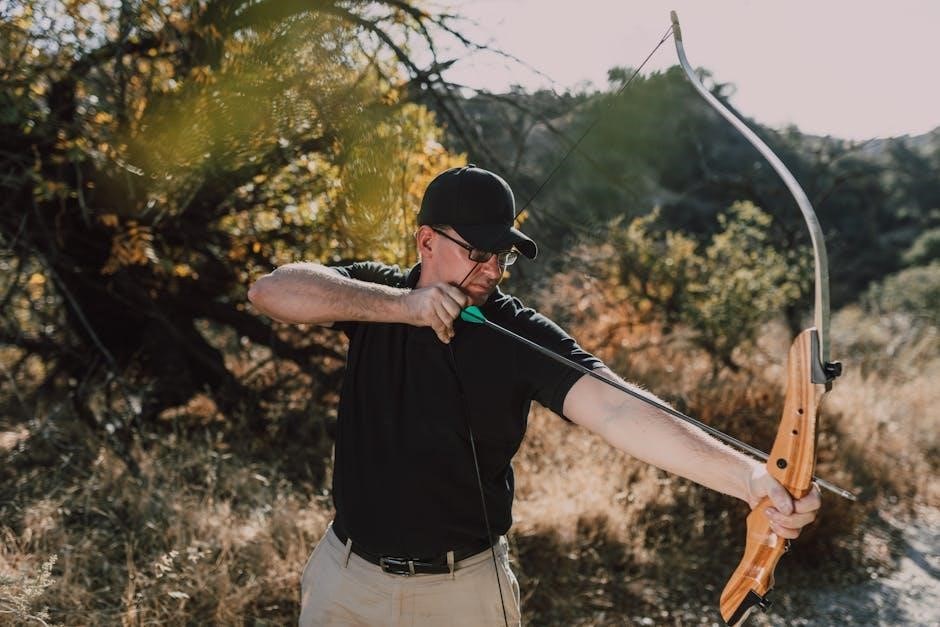
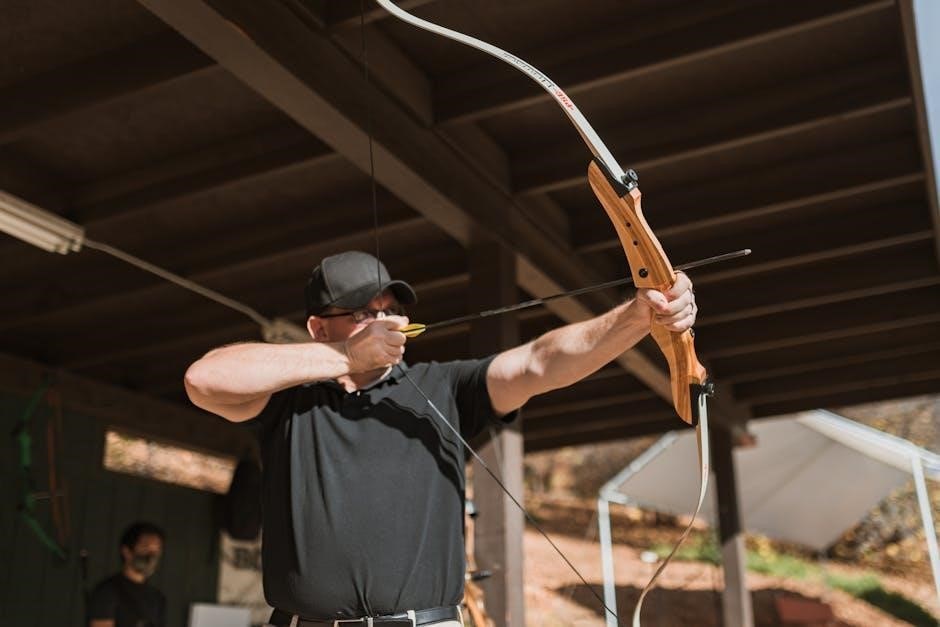
Michigan’s archery deer hunting season offers a prolonged opportunity for skilled hunters. The season commences on October 1st and continues through November 14th, 2025, providing ample time for pursuing white-tailed deer. Preliminary data from 2024 indicates over 25,500 deer were harvested during the archery season’s initial weeks.
Archery hunters must adhere to all regulations, including licensing requirements and DMU-specific rules, to ensure a safe and legal hunt. Successful archery hunting relies heavily on scouting and understanding deer movement patterns.
Firearm Deer Hunting Season
Michigan’s regular firearm deer hunting season is a highly anticipated event, kicking off in mid-November. Hunters are encouraged to secure licenses before November 15th, 2025, to participate. In 2024, a total of 136,524 deer were harvested during the firearm season, comprising 86,272 bucks and 50,252 does.
This season demands strict adherence to safety protocols and hunter orange requirements. Understanding DMU regulations and antler point restrictions is crucial for a successful and compliant hunt.
Muzzleloading Deer Hunting Season
Michigan’s muzzleloading deer hunting season is scheduled to run from December 5th to December 14th, 2025. This traditional method offers a unique hunting experience, requiring specialized skills and equipment. Hunters must be familiar with muzzleloader-specific regulations and safety procedures.
Participation requires a valid deer license and adherence to all established hunting laws. Successful muzzleloading hunters often employ careful scouting and precise shooting techniques for optimal results during this dedicated season.
Late Antlerless Firearm Deer Hunting Season
Michigan’s late antlerless firearm deer hunting season provides an extended opportunity for harvest, running from December 16th, 2025, to January 1st, 2026, in many Lower Peninsula DMUs. However, DMUs 115, 145, and 245 are excluded from this late season offering.
Importantly, all Upper Peninsula DMUs remain closed for both the early and late antlerless seasons. Hunters participating must adhere to all hunter orange requirements and possess the necessary licenses and permits for legal participation.
Deer Hunting Regulations ⸺ Key Changes for 2025
Michigan’s 2025 deer hunting regulations feature notable adjustments impacting hunters. A significant change is the implementation of a 3-point antler point restriction (APR) on the single deer license within DMU 122, influencing buck harvest strategies.
Furthermore, extended antlerless deer seasons have been authorized in the Lower Peninsula, offering increased opportunities. Hunters must stay informed about these evolving rules to ensure compliance and a successful, ethical hunting experience throughout the season.
Antler Point Restrictions (APRs)
Michigan implemented a 3-point antler point restriction (APR) in DMU 122 for the single deer license, aiming to improve buck age structure and future harvests. This regulation requires bucks to have at least three points on one side of their antlers to be legally harvested.
Hunters must carefully assess deer before taking a shot, ensuring compliance with the APR. Understanding these restrictions is crucial for ethical hunting and contributing to sustainable deer management within the designated DMU.
Extended Antlerless Seasons
Michigan has extended the antlerless deer hunting season in the Lower Peninsula, providing hunters with increased opportunities to harvest does. This extension aims to manage deer populations and address localized concerns regarding deer density and agricultural damage.
The late antlerless firearm season runs from December 16, 2024, to January 1, 2025, on private and public lands, excluding specific DMUs. Hunters should consult the official regulations for specific DMU details and ensure compliance with all applicable rules.
Hunter Orange Requirements
Michigan law mandates all hunters to wear hunter orange while actively hunting during firearm deer seasons, ensuring maximum visibility and promoting safety in the field. This requirement includes a hunter orange hat and a garment above the waist, such as a vest or jacket.
Specific regulations apply to archery hunters during certain periods; however, hunter orange is always required during firearm seasons. Compliance with these regulations is crucial for preventing accidental shootings and fostering a safe hunting environment for everyone.
Licensing and Permits
Michigan offers various deer hunting licenses, including resident and non-resident options, catering to diverse hunter needs. Resident hunting licenses are available to individuals meeting state residency requirements, while non-resident licenses are for those from outside Michigan.
Deer combo licenses provide broader hunting opportunities, combining deer and small game privileges. Hunters must obtain the appropriate license and permits before participating in any deer hunting activity, ensuring legal and ethical hunting practices are followed throughout the season.
Resident Hunting Licenses
Michigan resident hunting licenses are accessible to individuals who have established residency within the state for at least 180 days prior to application. These licenses grant privileges for hunting various game species, including deer, and are crucial for legal participation in hunting seasons.
The cost of resident licenses varies depending on age and specific license type. Hunters must possess valid identification and demonstrate residency to obtain these licenses, ensuring compliance with state regulations and promoting responsible hunting practices throughout Michigan.
Non-Resident Hunting Licenses
Michigan offers non-resident hunting licenses to individuals who do not meet the state’s residency requirements. These licenses provide the opportunity to hunt deer and other game within Michigan, subject to specific regulations and limitations designed to manage wildlife populations.
Non-resident licenses generally have a higher cost compared to resident licenses, reflecting the privilege of hunting in the state without establishing residency. Hunters must adhere to all Michigan hunting laws and obtain necessary permits alongside their license.
Deer Combo Licenses
Michigan’s Deer Combo License is a popular choice, offering hunters a comprehensive package for deer hunting opportunities. This license typically includes both a deer management unit (DMU) specific tag and a statewide antlerless deer tag, maximizing hunting flexibility throughout the season.
The combo license allows hunters to harvest one buck and additional antlerless deer, subject to DMU regulations and antler point restrictions where applicable. It’s a cost-effective option for those seeking diverse hunting experiences across Michigan’s varied landscapes.
Harvest Reporting Requirements
Michigan hunters are legally obligated to report their deer harvest promptly. This crucial data collection aids the Michigan Department of Natural Resources (DNR) in monitoring deer populations and refining management strategies for future seasons; Reporting can be conveniently completed online or via the Michigan DNR Huntfish app.
Failure to report a harvest can result in penalties, including potential loss of hunting privileges. Accurate and timely reporting ensures informed decisions regarding season lengths, bag limits, and DMU adjustments, benefiting all Michigan deer hunters.
Deer Hunting Techniques & Strategies
Successful Michigan deer hunting demands strategic preparation and adaptable techniques. Thorough scouting is paramount, identifying travel corridors, feeding areas, and bedding locations. Hunters often choose between stand hunting – patiently awaiting deer from elevated positions – and still hunting, quietly moving through the woods.
Employing deer calls and lures can attract attention, but understanding wind direction and mimicking natural sounds is key. Mastering these skills, combined with ethical hunting practices, significantly increases your chances of a rewarding harvest in Michigan’s diverse landscapes.
Scouting for Deer
Effective scouting is the cornerstone of a successful Michigan deer hunt. Begin by identifying potential travel corridors – areas deer frequently use to move between feeding and bedding grounds. Look for deer sign: tracks, rubs (where bucks scrape antlers on trees), and scrapes (bare ground pawed by deer).
Utilize aerial maps and on-the-ground exploration to pinpoint food sources like acorns and agricultural fields. Understanding prevailing wind directions is crucial for scent control during scouting and hunting. Consistent scouting throughout the season reveals changing deer patterns.
Stand Hunting vs. Still Hunting
Michigan hunters often choose between stand hunting and still hunting. Stand hunting involves patiently waiting in an elevated tree stand or ground blind overlooking a known deer travel route or food source. This method requires careful scent control and offers a wider field of view.
Still hunting, conversely, is a more active approach, slowly and quietly moving through the woods, observing surroundings and attempting to locate deer. It demands exceptional stealth and awareness. Each technique suits different terrains and hunter preferences, impacting success rates.
Using Deer Calls and Lures
Michigan deer hunters frequently employ calls and lures to attract whitetails. Grunt calls mimic deer vocalizations, potentially drawing in curious bucks, especially during the rut. Bleat calls imitate fawn distress, attracting does or protective bucks. Rattling antlers simulates buck combat, provoking territorial responses.
Lures, like scents, create appealing aromas. Scents can mask human odor or simulate estrous does; Strategic placement near scrapes or travel corridors maximizes effectiveness. However, wind direction is crucial; improper use can alert deer to your presence.
Deer Harvest Statistics ‒ Recent Trends (2024 Data)
Michigan’s 2024 deer harvest totaled 136,524 deer, showcasing continued robust populations. The harvest comprised 86,272 bucks and 50,252 does, indicating a relatively balanced sex ratio. Preliminary data reveals regional variations, with some DMUs experiencing higher success rates than others.
Sanilac County notably led in harvest numbers, demonstrating its favorable deer density. Ongoing monitoring assesses population trends, informing future management decisions. These statistics are vital for adaptive harvest strategies, ensuring sustainable deer populations for years to come.
Total Deer Harvest Numbers
Michigan’s overall deer harvest for 2024 reached an impressive 136,524 deer, reflecting successful hunting seasons across the state. This figure encompasses all hunting methods – archery, firearm, and muzzleloader – and represents a significant yield from Michigan’s managed deer populations.
The total harvest demonstrates the effectiveness of current deer management strategies and the dedication of Michigan hunters. These numbers are carefully analyzed annually to assess population health and adjust future hunting regulations, ensuring sustainable harvests for years ahead.
Buck vs. Doe Harvest Ratios
In 2024, Michigan hunters harvested 86,272 bucks (antlered deer) and 50,252 does (antlerless deer) during the entire firearm season. This ratio indicates a balanced harvest, crucial for maintaining a healthy deer population structure. Wildlife managers closely monitor these figures to ensure sustainable herd growth and prevent overpopulation in specific areas.
Adjustments to hunting regulations, such as extended antlerless seasons, are often implemented to influence these ratios, promoting a more balanced and resilient deer herd throughout Michigan’s diverse ecosystems.
County-Specific Harvest Data (Sanilac County Highlight)
Sanilac County consistently demonstrates significant deer harvest numbers within Michigan. Data from 2024 reveals it as a leading county for deer taken, reflecting its abundant habitat and active hunting community; Specific harvest totals for Sanilac County weren’t fully detailed, but its prominence indicates a thriving deer population.
Local DMU regulations and hunter participation heavily influence these figures. Monitoring county-level data allows the Michigan DNR to tailor management strategies for localized deer populations and ensure sustainable hunting opportunities.
Safety Considerations for Michigan Deer Hunters
Michigan deer hunting prioritizes safety. Mandatory hunter safety education courses are crucial for all first-time hunters, covering firearm handling and ethical hunting practices. Tree stand safety is paramount; always use a full-body harness and inspect stands before each use.
Consistent adherence to firearm handling best practices – treating every firearm as loaded – minimizes accidents. Hunter orange clothing is legally required, enhancing visibility. Responsible hunting ensures a safe and enjoyable experience for everyone.
Hunter Safety Education
Michigan mandates hunter safety education for all first-time hunters, regardless of age, before obtaining a hunting license. These comprehensive courses cover firearm safety, responsible hunting ethics, wildlife identification, and survival skills. Completion ensures hunters understand regulations and practice safe handling.
Online and in-person options are available, providing flexible learning opportunities. Certification is recognized across many states, promoting consistent safety standards; Prioritizing education minimizes accidents and fosters a culture of responsible hunting within Michigan.
Tree Stand Safety
Michigan deer hunters utilizing tree stands must prioritize safety. Always inspect stands thoroughly before each use, checking for structural integrity and secure attachments. Utilize a full-body harness and a haul line to raise and lower equipment safely, preventing falls during access and while hunting.
Inform others of your hunting location and expected return time. Never hunt alone, and practice safe firearm handling while in the stand. Proper training and consistent adherence to safety protocols are crucial for preventing serious injuries.
Firearm Handling Best Practices
Michigan hunters must practice responsible firearm handling. Always treat every firearm as if it’s loaded, maintaining control and pointing it in a safe direction. Keep your finger off the trigger until ready to shoot, and be certain of your target and what lies beyond.
Properly store and transport firearms, adhering to all legal requirements. Complete a hunter safety course to reinforce best practices and understand Michigan’s specific regulations for safe hunting experiences.