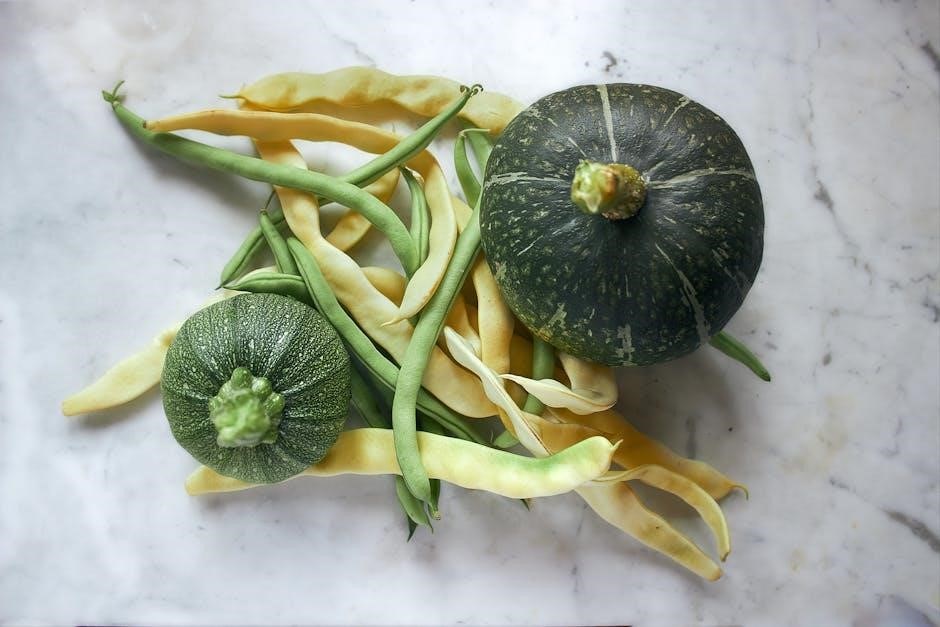
Embrace the freshest flavors! Eating seasonally means enjoying fruits and vegetables at their peak, aligning your diet with nature’s harvest for optimal taste and nutrition․
What Does “Eating in Season” Mean?
Eating in season fundamentally means consuming fruits and vegetables during their natural growing and harvest periods within a specific region․ It’s about aligning your diet with what’s currently being cultivated locally, rather than relying on produce shipped from distant locations or grown in controlled environments․ This practice acknowledges the natural rhythms of the earth and the cyclical availability of different foods throughout the year․
Understanding the concept requires differentiating between “seasonal” and “seasonable․” While “seasonal” describes something occurring with the seasons – like rainfall fluctuations or sales – “seasonable” refers to weather suitability․ Eating seasonally isn’t just about timing; it’s about enjoying produce at its peak ripeness, when it boasts the most flavor, nutrients, and often, the best price․ It’s a return to a more traditional way of eating, connected to the land and the local agricultural cycle․
Benefits of Seasonal Eating
Choosing fruits and vegetables in season unlocks a wealth of benefits․ Firstly, the flavor is superior – produce allowed to ripen naturally on the plant develops its fullest, most vibrant taste․ Secondly, nutritional value is often higher, as produce isn’t picked prematurely to withstand long-distance transport․ Locally sourced, seasonal food also supports local farmers and reduces the environmental impact associated with shipping․
Furthermore, seasonal eating encourages dietary variety; As different fruits and vegetables become available throughout the year, you’re naturally inclined to diversify your meals․ It can also be more economical, as abundance typically leads to lower prices at farmers markets and farm stands․ Embracing this approach fosters a deeper connection to your food source and a greater appreciation for the natural world, promoting a healthier lifestyle overall․
Understanding Seasonality vs․ Seasonable
While often used interchangeably, “seasonal” and “seasonable” have distinct meanings, particularly when discussing food․ “Seasonal” describes phenomena tied to a specific time of year – the natural cycle of harvest․ It refers to what’s currently being grown and reaped, dictated by the climate and time of year․ Think of a “seasonal produce calendar” outlining what’s available each month․
“Seasonable,” however, relates to weather suitability․ It describes conditions appropriate for a season․ A “seasonable December” implies typical winter weather – cold and perhaps snowy․ It doesn’t necessarily indicate what food is available, only that the weather aligns with expectations․ Understanding this difference is crucial; just because the weather is seasonable doesn’t guarantee produce is seasonal․ Focus on what’s being harvested locally to truly embrace seasonal eating․
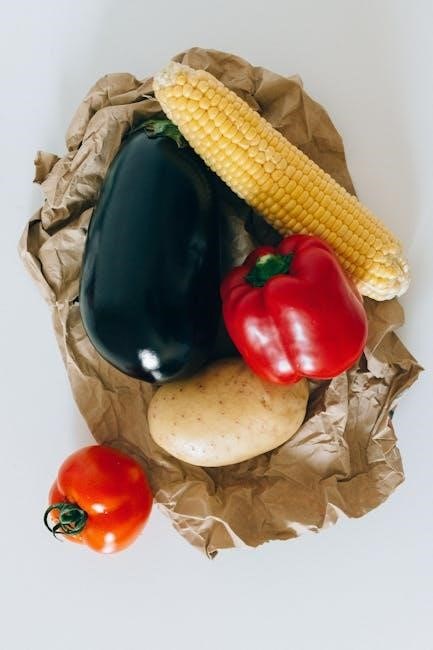
Seasonal Produce Calendar ⎯ A Monthly Guide
Discover what’s freshest each month! This calendar highlights peak-season produce, from winter roots and citrus to summer berries and fall apples, guiding your choices․
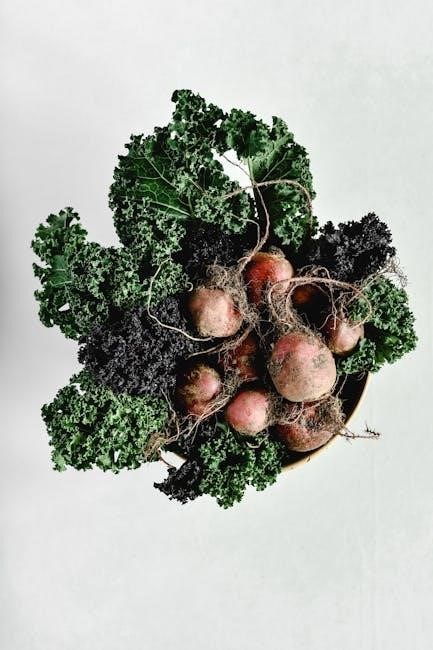
January: Winter Roots & Citrus
January’s landscape may appear barren, but the produce aisle offers comforting treasures! This month champions the hearty resilience of winter roots – think carrots, parsnips, and beets – providing essential nutrients during colder days․ These vegetables store beautifully, making them ideal for soups, stews, and roasting․
Alongside these earthy delights, January bursts with the bright, invigorating flavors of citrus fruits․ Oranges, grapefruits, lemons, and mandarins are at their peak, offering a welcome dose of Vitamin C to bolster your immune system․ Consider incorporating citrus into salads, desserts, or simply enjoying them as a refreshing snack․
Don’t forget about cauliflower, celeriac, and kale, which also thrive in January․ Explore recipes that celebrate these seasonal staples, and embrace the unique flavors winter has to offer․ Cabbage, leeks, and even cooking apples can also be found!
February: Continuing Winter Harvest
February extends the bounty of winter, offering a continuation of the root vegetable and citrus season․ Continue enjoying the robust flavors of carrots, parsnips, and beets, perfect for warming soups and roasted dishes․ These root vegetables remain excellent storage options, providing a reliable source of nutrients throughout the month․
Citrus fruits maintain their prominence, with oranges, grapefruits, and lemons still at their peak․ Utilize their vibrant zest and juice to brighten up winter meals․ February also sees continued availability of cauliflower, celeriac, and kale, offering versatile options for side dishes and salads․
Look for Brussels sprouts, cabbage, and onions, which are readily available․ Don’t overlook the potential of cooking apples for comforting baked goods․ Explore local farm stands for the freshest possible selection, supporting local agriculture and enjoying the best of February’s harvest․
March: Early Spring Greens Begin
March marks a delightful transition as early spring greens tentatively emerge, signaling a shift from winter’s root vegetables․ While the winter staples like carrots, parsnips, and kale continue to be available, keep an eye out for the first signs of fresh, leafy produce․
Expect to find early varieties of spinach and lettuce appearing, offering a welcome burst of freshness․ Radishes also begin to make their debut, adding a peppery bite to salads․ Continue enjoying citrus fruits, though their peak season is waning․ Broccoli and cabbage remain reliable choices for hearty meals․
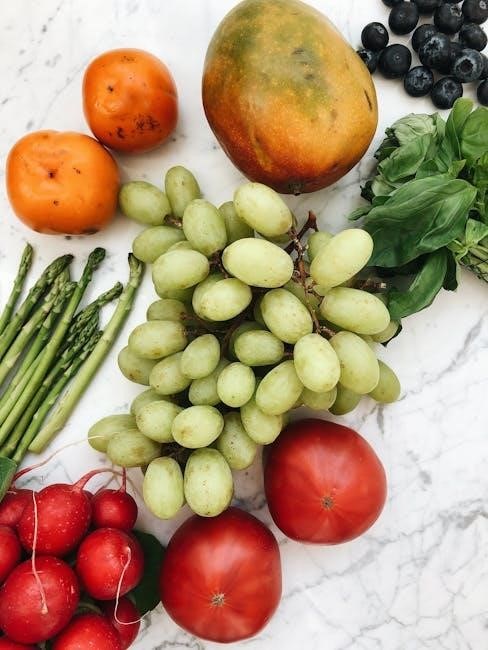
Don’t forget about stored produce like potatoes and onions, which provide a stable base for many dishes․ Visiting farmers markets will reveal the earliest local offerings, varying depending on your region․ Embrace this transitional month and savor the anticipation of the full spring harvest to come!
April: Spring Awakening ⏤ Asparagus & Radishes
April truly embodies the spring awakening, with asparagus and radishes taking center stage! These vibrant vegetables signal a significant shift towards lighter, fresher flavors after the winter months․ Asparagus, with its delicate taste, is best enjoyed simply grilled, roasted, or steamed to highlight its natural sweetness․
Radishes offer a delightful peppery crunch, perfect for salads or as a colorful garnish․ Continue to find early spring greens like spinach and lettuce, alongside remaining winter staples like cabbage and kale․ Carrots and beets are still readily available, providing versatility in the kitchen․
Farmers markets will showcase an increasing abundance of locally grown produce․ Don’t overlook stored fruits like cooking and eating apples, offering a sweet treat or ingredient for baking․ Embrace the season’s bounty and enjoy the vibrant flavors of spring!
May: Strawberry Season & Leafy Greens
May bursts forth with the highly anticipated strawberry season! These ruby-red gems are best enjoyed fresh, simply eaten, or incorporated into delightful desserts․ Alongside strawberries, a glorious abundance of leafy greens emerges – spinach, lettuce, and rocket are readily available, perfect for vibrant salads and nutritious side dishes․
Continue to find asparagus, radishes, and early summer beans (snap beans) at farmers markets․ Broccoli and cauliflower are also in season, offering versatile options for roasting or steaming․ Don’t forget about stored root vegetables like carrots, parsnips, and beetroot, providing a hearty base for meals․
May is a fantastic time to explore local farm stands and markets, discovering the freshest produce your region has to offer․ Embrace the vibrant flavors and colors of this bountiful month!
June: Summer Berries & Early Stone Fruits
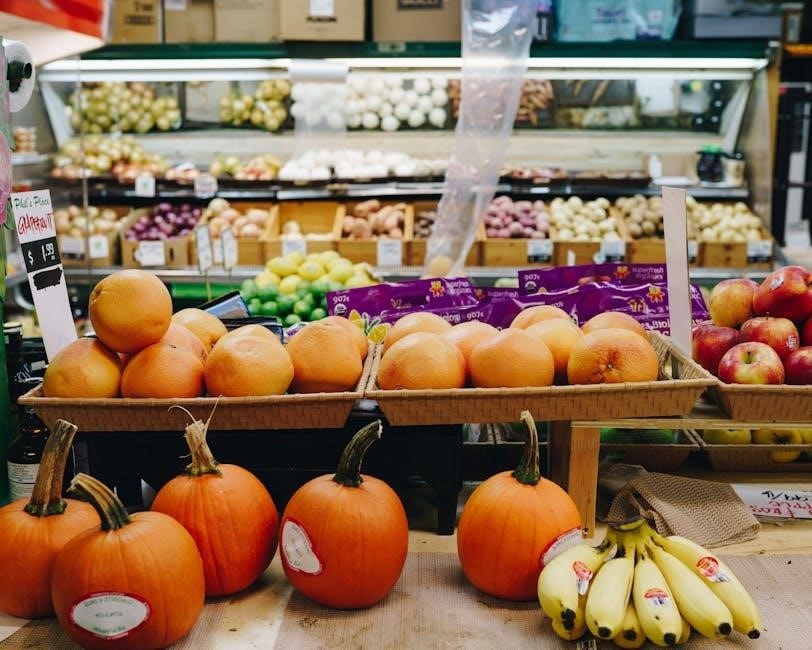
June marks the peak of summer berry season! Blueberries and blackberries join strawberries, offering a delightful explosion of flavor and antioxidants․ Early stone fruits like apricots and plums begin to appear, signaling the transition towards warmer weather produce․ These are perfect for snacking, baking, or adding to summer salads․
Leafy greens continue to thrive, alongside beans (snap beans) and early summer vegetables․ Broccoli, cauliflower, and cabbage remain readily available․ Consider incorporating stored root vegetables like carrots and beetroot into your meals for added nutrition․
Visiting local farmers markets in June is a must! You’ll find an abundance of fresh, seasonal produce, supporting local farmers and enjoying the best flavors of summer․ Take advantage of this bountiful time!
July: Peak Summer Abundance
July represents the height of summer’s bounty! Expect a vibrant array of fruits and vegetables at their absolute peak․ Berries – blueberries, blackberries, and raspberries – are plentiful, alongside stone fruits like peaches, nectarines, and plums․ This is the time to indulge in fresh fruit salads, pies, and jams․
Summer squash, tomatoes, and sweet corn are also in full swing․ Beans continue to be readily available, and you’ll find a wide selection of leafy greens․ Don’t forget about stored root vegetables like carrots, parsnips, and potatoes for hearty summer meals․
Farmers markets are overflowing with options in July․ Embrace the abundance and experiment with new recipes featuring the freshest seasonal ingredients․ It’s a fantastic time to support local agriculture and enjoy the flavors of summer!
August: Late Summer Bounty
August extends the peak of summer, offering a final burst of delicious produce before the transition to fall․ Continue enjoying the abundance of berries, though the season is winding down․ Stone fruits remain plentiful, perfect for grilling, baking, or enjoying fresh․ Tomatoes are at their sweetest and juiciest, ideal for sauces, salads, and canning․
Summer squash and corn are still readily available, alongside early apples and pears signaling the change of seasons․ Root vegetables like carrots, beetroot, and potatoes, stored from earlier harvests, provide a hearty base for meals․ Explore farmers markets for late-season treasures․
August is a great time to preserve the harvest through canning, freezing, or pickling, ensuring you can enjoy summer’s flavors throughout the year․ Embrace the last of the warm-weather produce!
September: Transition to Fall ⎯ Apples & Pears
September marks a beautiful shift as summer’s warmth gives way to autumn’s crispness․ This month is defined by the arrival of apples and pears, signaling the start of fall produce․ Numerous apple varieties reach their peak, perfect for pies, sauces, and snacking․ Pears offer a delicate sweetness, excellent poached or in salads․
Root vegetables like carrots, parsnips, and potatoes are now fully in season, providing hearty ingredients for comforting meals․ Pumpkins and winter squash begin to appear, hinting at upcoming fall festivities․ Continue to find late-season tomatoes and peppers, though their availability diminishes․
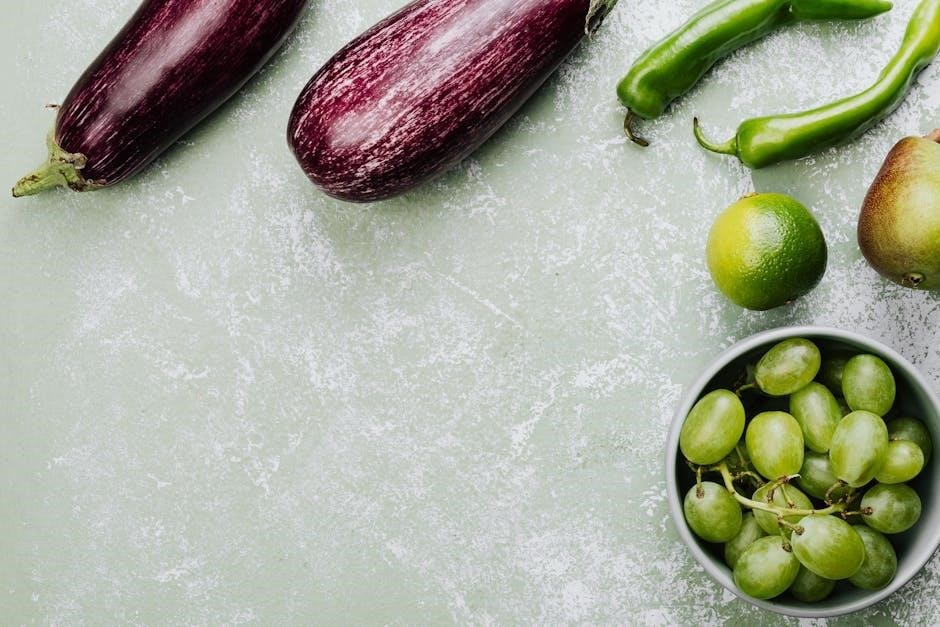
September is an ideal time to visit orchards and farmers markets, enjoying the fresh air and seasonal bounty․ Consider preserving apples as applesauce or cider for enjoyment throughout the colder months․
October: Root Vegetable Season & Pumpkins
October fully embraces the flavors of fall, with root vegetables taking center stage and pumpkins reigning supreme․ This is the prime time for beets, carrots, parsnips, turnips, and rutabagas – perfect roasted, mashed, or in hearty soups․ Cabbage and Brussels sprouts also thrive, offering nutritious and versatile options․
Pumpkins, of course, are iconic for October, extending beyond jack-o’-lanterns to delicious pies, soups, and roasted seeds․ Winter squash varieties like butternut and acorn squash provide sweet and savory possibilities․ Apples continue to be abundant, alongside lingering pears․
Garlic and onions are readily available, forming the base for many autumn dishes․ Explore local farmers markets for the freshest selections and consider preserving root vegetables for winter use․ October’s harvest offers a comforting and flavorful culinary experience․
Maximizing Seasonal Eating
Discover local farms, plan meals around available produce, and learn preservation techniques like canning and freezing to fully enjoy seasonal flavors year-round!
Visiting Farmers Markets & Farm Stands
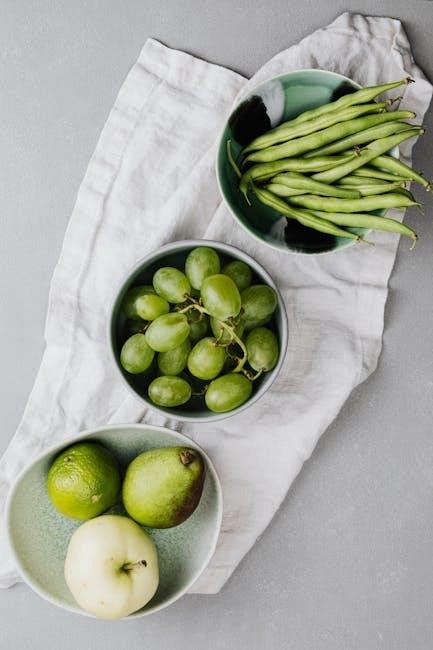
Immerse yourself in the vibrant world of local agriculture by visiting farmers markets and farm stands! These direct-from-the-source outlets offer an unparalleled opportunity to connect with the seasons and discover produce at its absolute freshest․ Unlike supermarkets, where fruits and vegetables may travel long distances, items at farmers markets are typically harvested just days, or even hours, before sale․
This proximity ensures peak flavor, nutritional value, and supports local farmers directly․ You’ll find a diverse array of seasonal offerings, often including unique heirloom varieties not commonly found in stores․ Engage with the farmers themselves – they are a wealth of knowledge about growing practices, optimal storage, and delicious recipe ideas․
Farm stands, often located directly on the farm, provide a similar experience, sometimes even allowing you to pick your own produce! Finding these local gems is the easiest way to know what’s truly in season in your specific region, as seasonality varies greatly depending on climate and geography․
Storing Seasonal Produce
Maximize the lifespan and flavor of your seasonal bounty with proper storage techniques! Different fruits and vegetables require different conditions to stay fresh․ Root vegetables like carrots, parsnips, and potatoes thrive in cool, dark, and humid environments – a root cellar or the crisper drawer of your refrigerator works well․
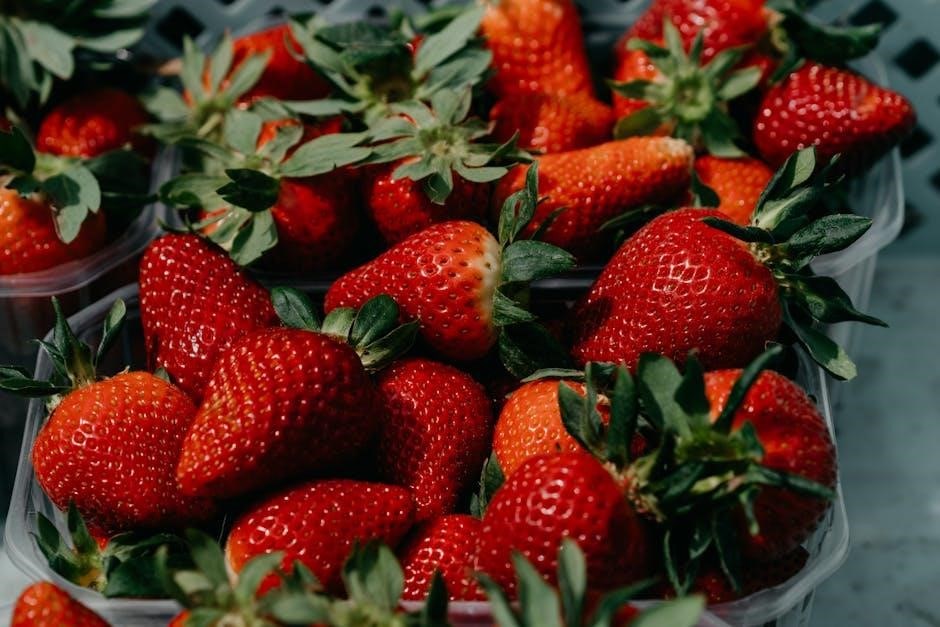
Leafy greens benefit from a gentle wash, wrapping in a paper towel, and storing in a plastic bag in the refrigerator․ Berries are best kept unwashed until ready to eat, spread in a single layer in a shallow container․ Apples and pears can be stored in a cool, dark place for several weeks․
Understanding these nuances prevents premature spoilage and ensures you enjoy the fruits (and vegetables!) of your seasonal labor for as long as possible․ Proper storage minimizes waste and allows you to savor the flavors of each season․
Preserving the Harvest: Canning, Freezing & Pickling
Extend the enjoyment of seasonal flavors beyond their peak with preservation methods! Canning, freezing, and pickling are excellent ways to capture summer’s abundance for use throughout the year․ Canning involves sealing food in airtight jars, creating a shelf-stable product – perfect for tomatoes, fruits, and jams․
Freezing is a simple method for preserving most vegetables and fruits; blanching vegetables beforehand helps retain color and texture․ Pickling, using vinegar and spices, transforms vegetables like cucumbers and beets into tangy delights․
These techniques not only reduce food waste but also allow you to create delicious homemade products․ Investing time in preservation ensures a taste of summer, even during the coldest winter months, and provides a satisfying connection to the seasons․
Seasonal Cooking Techniques
Unlock the full potential of seasonal produce with cooking techniques tailored to each ingredient’s characteristics! Spring’s tender greens benefit from quick sautéing or delicate salads, preserving their freshness․ Summer’s abundance lends itself to grilling, roasting, and vibrant salsas, highlighting natural sweetness․
As fall arrives, embrace slow-cooking methods like braising and roasting root vegetables, intensifying their earthy flavors․ Winter calls for hearty soups, stews, and comforting baked dishes, utilizing preserved produce․
Experiment with herbs and spices that complement seasonal flavors․ Simple preparations often showcase the produce best, allowing its natural taste to shine․ Adapting your cooking style to the seasons enhances both flavor and enjoyment, creating a deeper connection to your food․
Building a Seasonal Food Calendar
Create a personalized seasonal food calendar to guide your shopping and cooking throughout the year! Start by listing the months and researching which fruits and vegetables are at their peak in your region during each period․ Local farmers markets and online resources, like the BBC Good Food Seasonality table, are invaluable tools․
Visually represent your calendar with drawings or images of seasonal produce․ Consider including storage tips for each item – knowing how to properly store carrots, apples, or kale extends their freshness․
Don’t forget to incorporate preservation methods like canning, freezing, or pickling to enjoy seasonal flavors beyond their natural availability․ Regularly update your calendar based on your experiences and local harvests, fostering a deeper connection to the rhythm of the seasons!
Resources for Local Seasonality Information
Discover the best local resources to pinpoint what’s in season near you! Farmers markets and farm stands offer direct access to producers who can share insights into current harvests – the easiest way to know what’s truly fresh․
Online tools are also incredibly helpful․ The BBC Good Food Seasonality table provides a comprehensive overview, though remember to adjust for your specific geographic location․ Search for “[Your State/Region] seasonal produce calendar” for tailored guides․
Local agricultural extensions and university websites often publish seasonal availability charts․ Community Supported Agriculture (CSA) programs provide weekly boxes of in-season produce, offering a hands-on learning experience․ Embrace these resources to build a truly seasonal eating habit!